19th - 22nd July, 2010
Mankind's quality of life is dependent on ever more sophisticated levels of technology and the energy which powers it. In recent history this has been amply provided by fossil fuels such as coal, oil and gas; but these aren't infinite resources and their conversion into energy releases by-products which pollute the environment and affect the earth's climate. The challenge is on to find alternative energy sources.
What will I be doing?
• Learning about different forms of low carbon energy including wind, waves and tide
• Having Q & A sessions with leading experts in low carbon and marine engineering
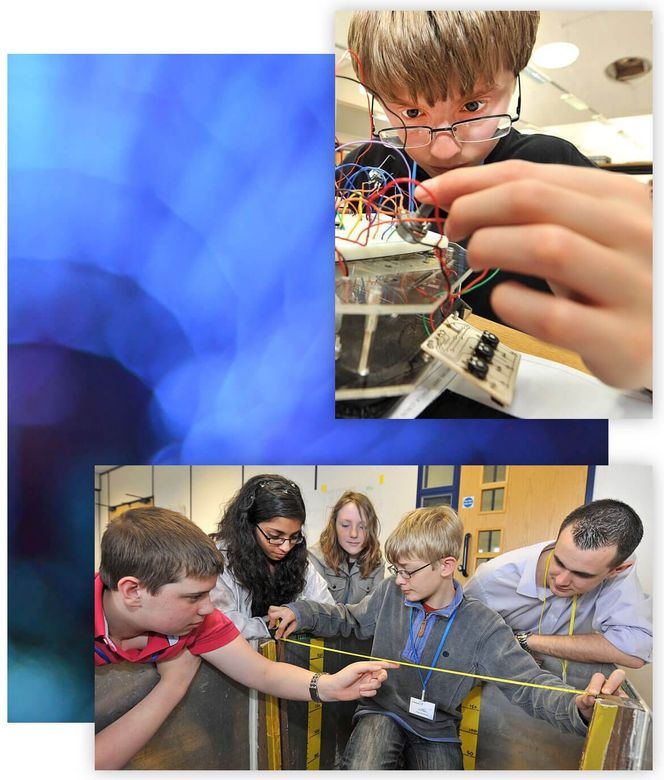
• Using state-of-the-art research facilities including wave tanks, wind-wave-current tanks and circulating water tanks to conduct tests and experiments
• Learning about the engineering challenges involved in capturing, distributing and storing energy from the environment
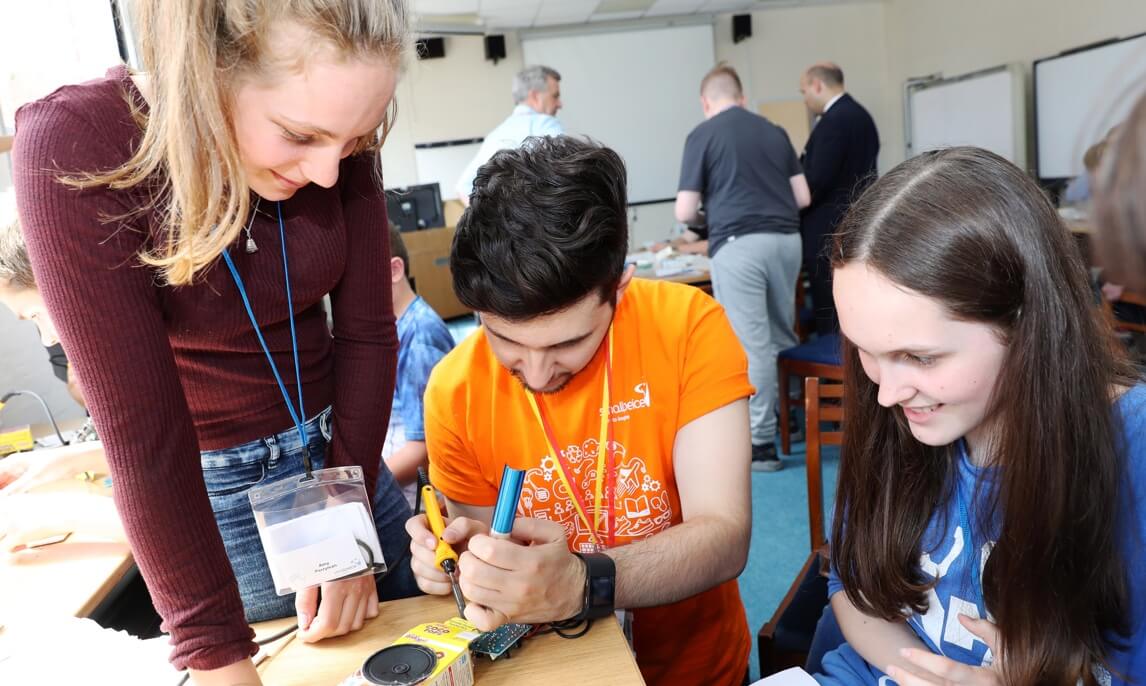
• Competing in teams to design and make the more effective and innovative low carbon energy capture devices, tested in commercial and research test facilities
• Presenting your ideas and innovations to delegates from industry and the University at the course dinner reception
• Benefiting from the experience and guidance of student mentors from marine technology and engineering
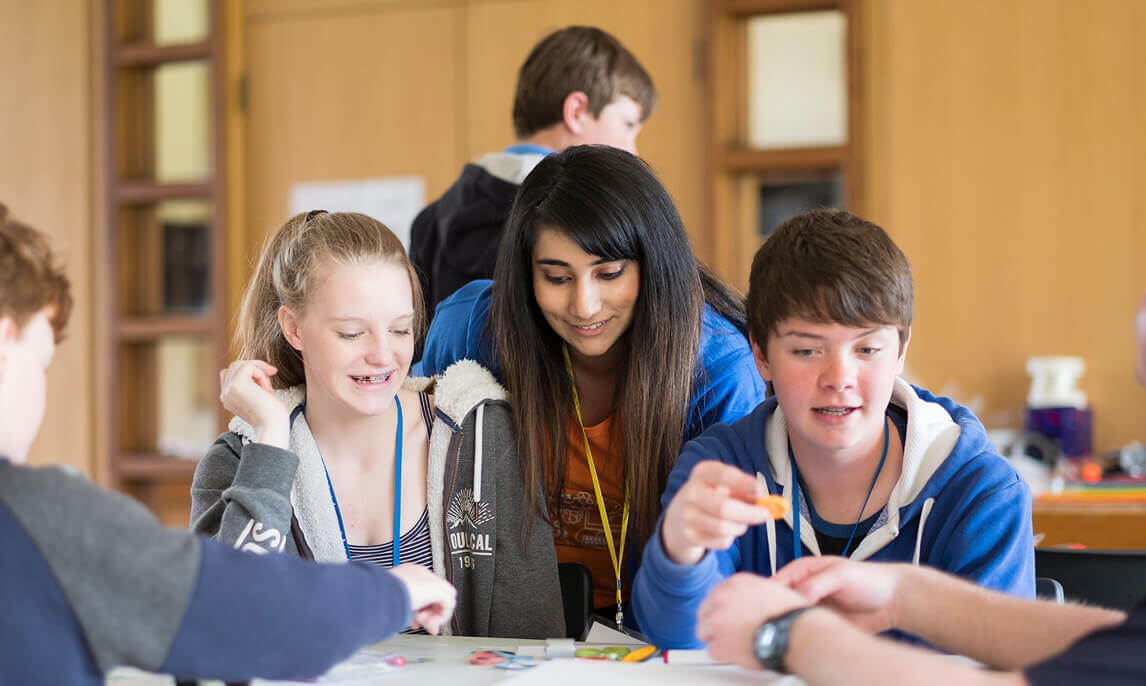
• Improving skills in team building, communication, time management, problem-solving, planning and presentations
Click here for details of course availability.
To see how this course relates to the National Curriculum and Every Child Matters Framework click here.